
Engine Diagnostics
Phoenix, AZ
Find the Problem
Fast
When your check engine light comes on, guessing is expensive. AZ Auto Shop uses professional-grade diagnostic equipment and ASE-certified technicians to pinpoint exactly what's wrong with your engine — fast, accurately, and affordably in Phoenix, AZ.
Phoenix's extreme heat puts unique stress on engine sensors, cooling systems, and fuel delivery components. Our technicians understand Arizona-specific failure patterns and know how to distinguish heat-related issues from mechanical problems — saving you time and money on unnecessary repairs.
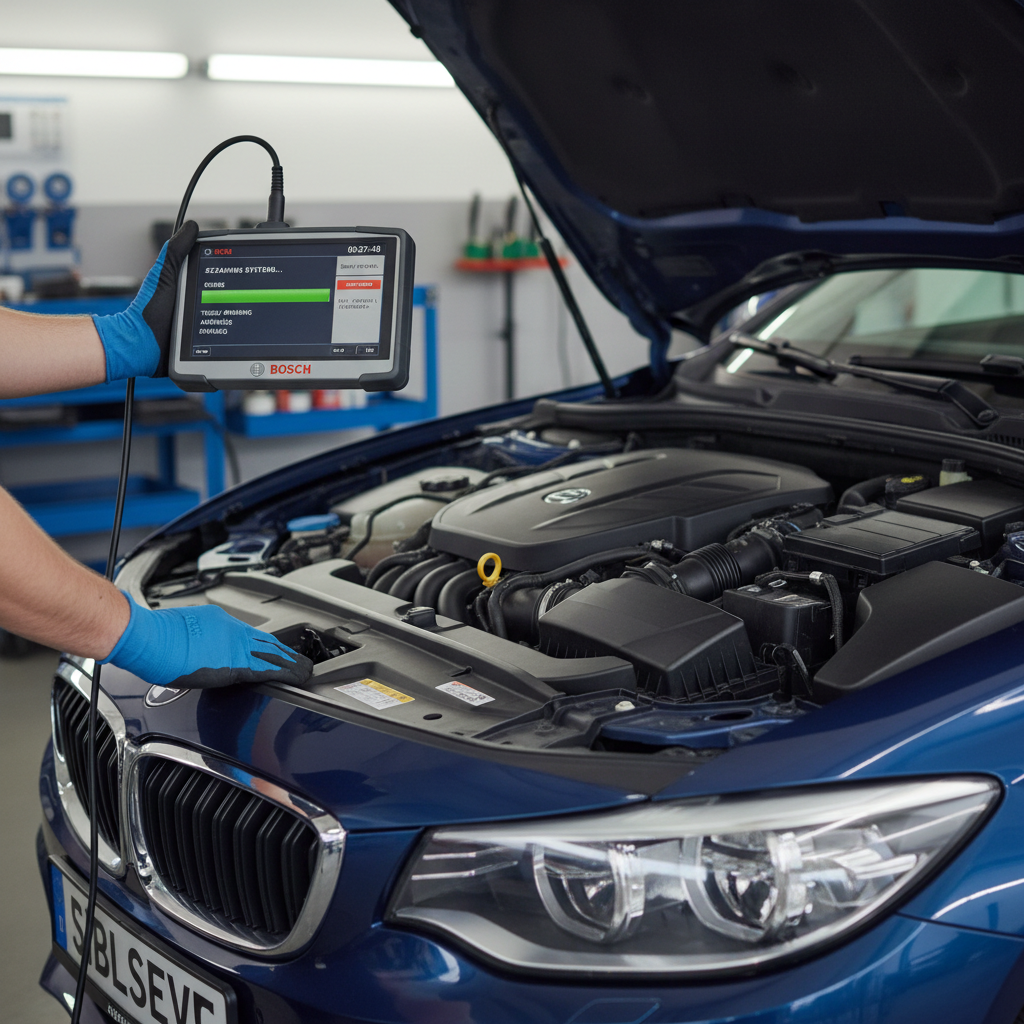
Complete Engine Diagnostic Services in Phoenix
Modern vehicles have hundreds of sensors and dozens of electronic control modules. Our diagnostic process goes beyond reading codes — we perform comprehensive system analysis to find the true root cause of your engine problems.
OBD-II Diagnostic Scan
We connect factory-level scan tools to your vehicle's OBD-II port to read all stored and pending fault codes across every module — engine, transmission, ABS, and more.
Check Engine Light Diagnosis
A check engine light can mean dozens of different issues. We don't just read the code — we perform root-cause analysis to find the actual problem, not just the symptom.
Live Data Analysis
We monitor real-time sensor data — oxygen sensors, MAF, MAP, fuel trims, ignition timing — to catch intermittent issues that don't always trigger a fault code.
Compression & Leak-Down Testing
Mechanical engine health testing that reveals worn rings, leaking valves, or head gasket issues before they become catastrophic failures.
Fuel System Diagnostics
Fuel pressure testing, injector flow analysis, and fuel trim evaluation to diagnose hard starts, rough idle, poor fuel economy, and hesitation.
Emissions Readiness Testing
Pre-emissions inspection testing to ensure your vehicle will pass Arizona DEQ testing. We identify and resolve readiness monitor failures before your appointment.
Warning Signs Your Engine Needs Diagnostics
Modern engines communicate problems through warning lights and performance symptoms. Catching these early prevents minor issues from becoming major engine failures — especially critical in Phoenix's demanding climate.
Our Diagnostic Process
Vehicle History Review
We start by reviewing your vehicle's service history and listening to your description of symptoms. Context matters — when it happens, how often, and under what conditions.
Full System Scan
Our technicians connect professional-grade diagnostic equipment to scan all vehicle modules — not just the engine. We capture all fault codes, freeze frame data, and readiness monitors.
Root Cause Analysis
Fault codes point to systems, not specific parts. We perform targeted tests — sensor checks, circuit testing, mechanical tests — to confirm the actual root cause before recommending repairs.
Written Diagnostic Report
You receive a clear, plain-language report explaining what we found, what it means, and what repairs are needed — with itemized pricing before any work begins.
Why Accurate Engine Diagnostics Matter in Phoenix, AZ
Phoenix's extreme heat — regularly exceeding 110°F in summer — creates unique engine stress that drivers in cooler climates never experience. Heat accelerates the degradation of rubber seals, oxygen sensors, mass airflow sensors, and coolant temperature sensors. When these components fail or drift out of calibration, your engine management system receives incorrect data and compensates in ways that reduce performance, increase fuel consumption, and can cause long-term engine damage.
At AZ Auto Shop, our technicians are specifically trained to recognize heat-related diagnostic patterns common to Phoenix vehicles. We've seen thousands of Arizona cars and understand how the desert climate affects everything from fuel trim values to ignition timing. This local expertise means we diagnose problems faster and more accurately than shops without Arizona-specific experience — saving you money on parts that don't need replacing.
Understanding Your Check Engine Light: What Phoenix Drivers Need to Know
The check engine light (CEL) — technically called the Malfunction Indicator Lamp (MIL) — is one of the most misunderstood warning systems in modern vehicles. Many Phoenix drivers either panic when it illuminates or ignore it entirely, both of which can be costly mistakes. Understanding what the CEL means and how to respond appropriately can save you hundreds or even thousands of dollars in unnecessary repairs.
A solid check engine light indicates a stored fault code that requires attention but may not be an immediate emergency. Common causes in Phoenix vehicles include loose gas caps (which trigger evaporative emission codes), oxygen sensor failures (accelerated by heat cycling), catalytic converter degradation, and mass airflow sensor contamination from Arizona's dusty air. These issues should be addressed within a week or two to prevent secondary damage.
A flashing check engine light is a different matter entirely. A flashing CEL indicates an active engine misfire severe enough to damage your catalytic converter — a component that can cost $800–$2,500 to replace. If your check engine light is flashing, reduce speed, avoid heavy acceleration, and bring your vehicle to AZ Auto Shop immediately. Continuing to drive with a flashing CEL can turn a $150 ignition coil replacement into a $2,000 catalytic converter job.
Our professional OBD-II diagnostic equipment reads not just the fault codes but also freeze frame data — a snapshot of engine conditions at the moment the fault occurred — and readiness monitor status. This comprehensive data allows us to perform targeted testing rather than guessing, which means you only pay for repairs that are actually needed.
Common Engine Problems We Diagnose in Phoenix Vehicles
Heat-Related Engine Issues
Phoenix's climate creates a predictable set of engine problems that our technicians see regularly. Oxygen sensor failures are extremely common — the constant heat cycling from cold mornings to 115°F afternoons stresses sensor elements and wiring harnesses. We typically see O2 sensor failure rates in Phoenix vehicles 40–60% higher than national averages.
Coolant temperature sensor failures are another Phoenix specialty. When these sensors drift or fail, the engine management system may run rich (too much fuel) or lean (too little fuel), causing poor fuel economy, rough idle, and increased emissions. Our diagnostic process specifically checks sensor calibration against known-good values rather than just checking for fault codes.
Performance & Fuel Economy Issues
If your Phoenix vehicle has developed a sudden drop in fuel economy, hesitation under acceleration, or rough idle, the cause is almost always diagnosable with our equipment. Common culprits include dirty or failing mass airflow sensors (especially in dusty Arizona conditions), clogged fuel injectors, worn spark plugs, and vacuum leaks that worsen in heat as rubber components harden and crack.
Our live data analysis capability is particularly valuable for intermittent problems — issues that don't always trigger a fault code but cause noticeable performance degradation. By monitoring dozens of sensor values simultaneously during a test drive, we can catch problems that a simple code scan would miss entirely.
Schedule Engine Diagnostics in Phoenix Today
Professional OBD scan · Written report · Same-day results available